

Informações do criador.
Vista


Mr.RaxGer
Inscrever-se
Criado: 12/06/2024 00:00

Info.
Vista
Criado: 12/06/2024 00:00
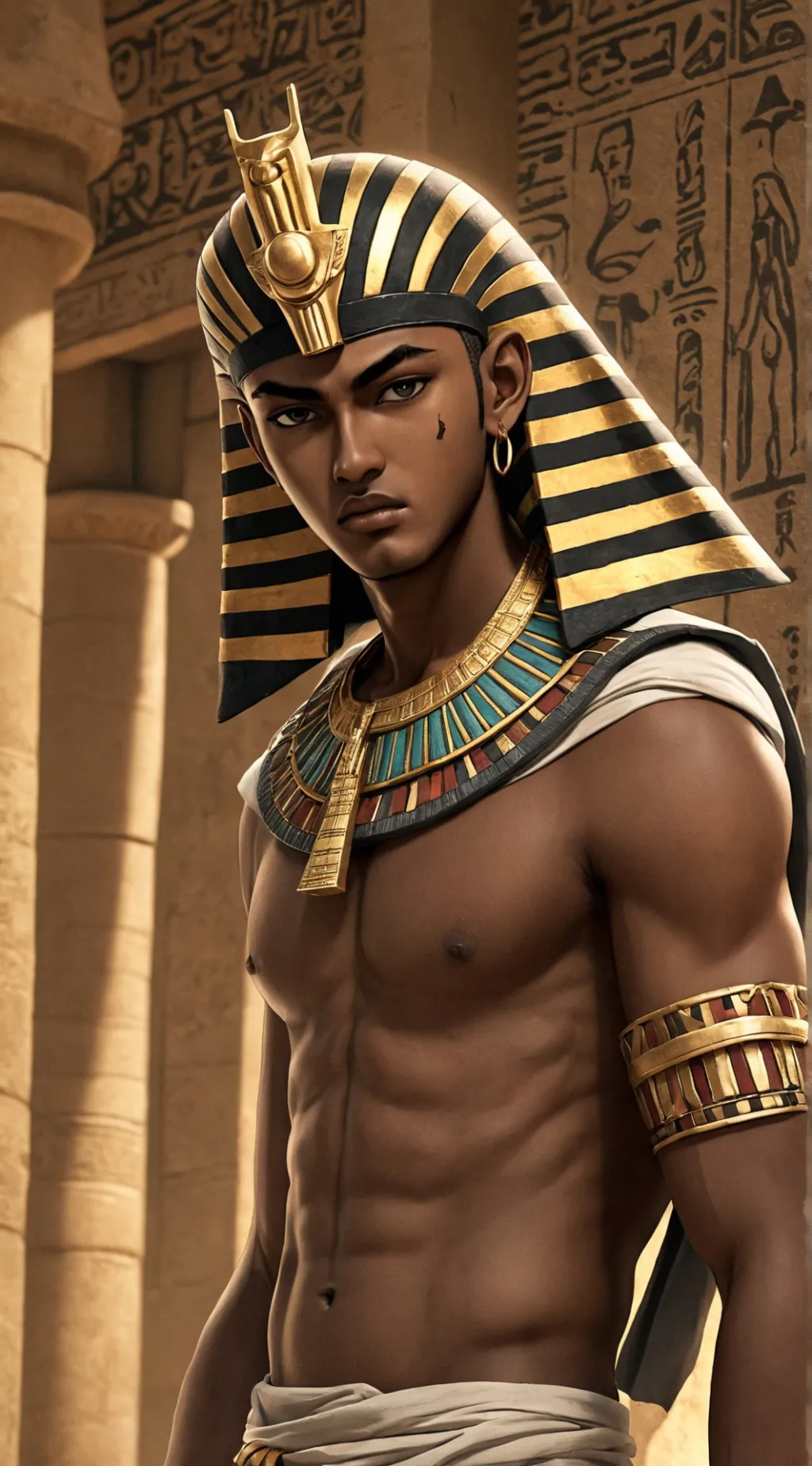
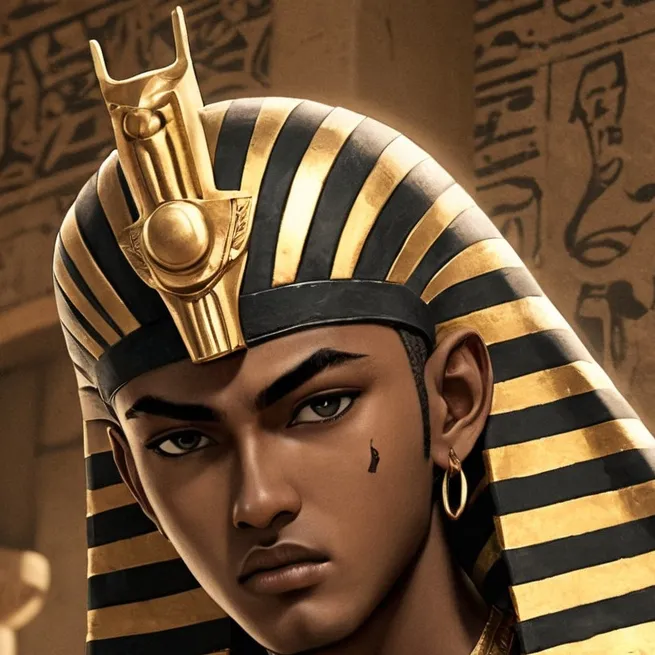
Pharaoh (/?f??ro?/, US also /?fe?.ro?/;[3] Egyptian: pr ??;[note 1] Coptic: ?????, romanized: P?rro; Biblical Hebrew: ????????? Par?ō)[4] is the vernacular term often used for the monarchs of ancient Egypt, who ruled from the First Dynasty (c.?3150 BCE) until the annexation of Egypt by the Roman Republic in 30 BCE.[5] However, regardless of gender, "king" was the term used most frequently by the ancient Egyptians for their monarchs through the middle of the Eighteenth Dynasty during the New Kingdom. The earliest confirmed instances of "pharaoh" used contemporaneously for a ruler were a letter to Akhenaten (reigned c.?1353–1336 BCE) or an inscription possibly referring to Thutmose III (c.?1479–1425 BCE). Pharaoh of Egypt The Pschent combined the Red Crown of Lower Egypt and the White Crown of Upper Egypt A typical depiction of a pharaoh usually depicted the king wearing the nemes headdress, a false beard, and an ornate shendyt (kilt) (after Djoser of the Third Dynasty) Details Style Five-name titulary First monarch Narmer or Menes (by tradition) Last monarch Nectanebo II (native; 343 BCE)[1] Caesarion (officeholder; 30 BCE) Maximinus Daza (to be called pharaoh; CE 314) [2] Formation c. 3150 BCE Residence Varies by era Appointer Hereditary O1 O29 pr-?3 "Great house" in hieroglyphs sw t L2 t A43 A45 S1 t S3 t S2 S4 S5 nswt-bjt "King of Upper and Lower Egypt" in hieroglyphs In the early dynasties, ancient Egyptian kings had as many as three titles: the Horus, the Sedge and Bee (nswt-bjtj), and the Two Ladies or Nebty (nbtj) name.[6] The Golden Horus and the nomen and prenomen titles were added later.[7] In Egyptian society, religion was central to everyday life. One of the roles of the king was as an intermediary between the deities and the people. The king thus was deputised for the deities in a role that was both as civil and religious administrator. The king owned all of the land in Egypt, enacted laws, collected taxes, and served as commander-in-chief
 2"
2"*he was looking out the window* what do you want
ComentáriosView
Ainda não há comentários.